Portable Inkjet Printer VS Traditional Coding Machine: Which Is the Best Handheld Inkjet Printer for Industrial Coding?
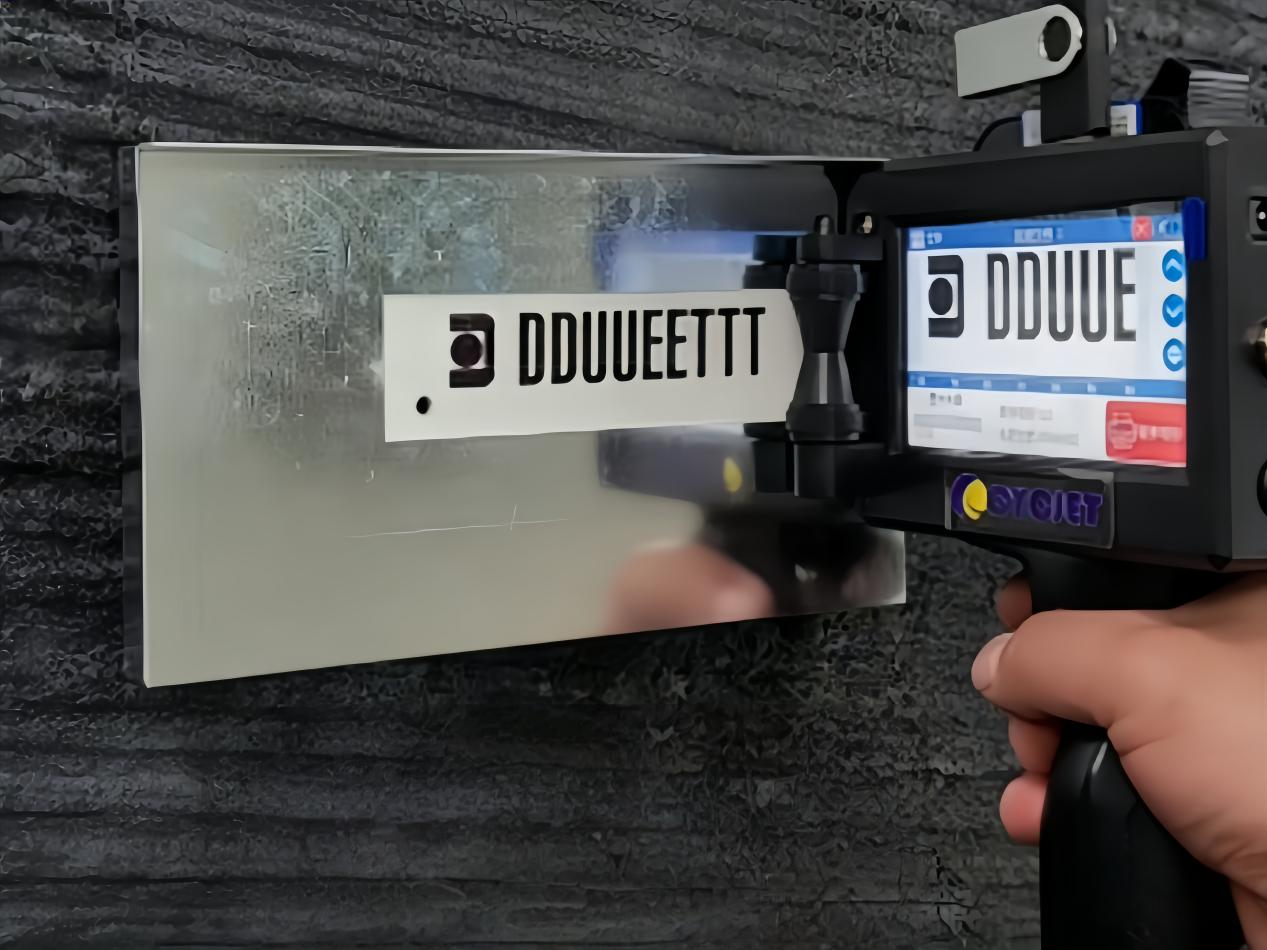
In today's manufacturing world, getting product identification and traceability right is more crucial than ever. Whether it's production dates, batch numbers, barcodes, or lot codes, companies need to mark this info clearly and reliably right on products or packaging.
Traditional coding machines have been the go-to for production lines for years, but portable handheld inkjet printers are quickly gaining ground because they're so much more flexible and user-friendly. Brands like CYCJET are leading the charge here—with models such as the ALT360 Pro or Smart I series offering lightweight designs, long battery life, and easy operation that let you print on cartons, pipes, or irregular surfaces without being tied to a fixed line.
So, when it comes to portable inkjet printers vs. traditional coding machines for industrial marking—which one actually wins for your business? This guide breaks down the key differences and helps you pick the right handheld inkjet printer (including standout options like CYCJET) to fit your needs.
What Is a Portable Handheld Inkjet Printer?
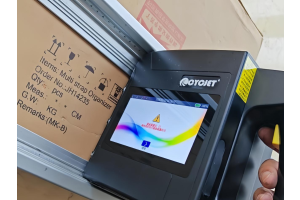
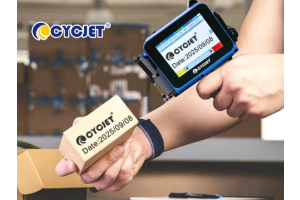
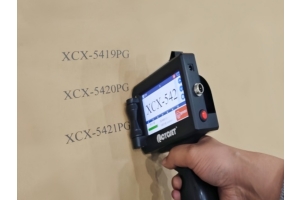
A portable handheld inkjet printer is a compact industrial coding machine designed for flexible and mobile printing. Unlike traditional systems that require installation on a conveyor line, handheld printers allow operators to print directly on products wherever they are.
These devices are widely used for marking:
- Production dates
- Expiry dates
- Batch numbers
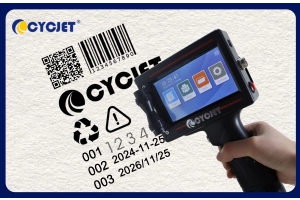
- Barcodes and QR codes
- Logos and product information
One of the key advantages of a portable inkjet printer is its ability to print on multiple surfaces, including plastic, metal, glass, cartons, bottles, and paper packaging. Because the device is handheld and lightweight, it can easily be used in warehouses, factories, and even outdoor environments.
What Is a Traditional Coding Machine?
A traditional coding machine is usually installed on a production line and works automatically as products move along a conveyor system. These machines are commonly used in large-scale manufacturing environments where products pass through the same production line continuously.
Traditional coding systems provide high automation and consistent printing speed. However, they often require a dedicated installation space, professional setup, and integration with existing production equipment.
For businesses with fixed production lines and high-volume output, traditional coding machines can be effective. But they may lack the flexibility needed for modern manufacturing operations that handle multiple products and packaging types.
Portable Inkjet Printer VS Traditional Coding Machine
Understanding the key differences between these two technologies can help businesses make the right investment decision.
| Feature | Portable Inkjet Printer | Traditional Coding Machine |
| Mobility | Lightweight and portable | Fixed installation |
| Installation | No setup required | Requires production line integration |
| Flexibility | Suitable for multiple products and locations | Limited to one production line |
| Cost | Lower initial investment | Higher equipment cost |
| Operation | Manual handheld operation | Fully automated |
For companies that need flexible marking solutions, handheld inkjet printer offers clear advantages. It allows operators to move freely between products, packages, and workstations without relying on a fixed production line.
When Should You Choose Portable Inkjet Printer?
A portable batch coding printer is especially suitable for businesses that require mobility and versatility.
Small and Medium-Sized Businesses
Many small and medium manufacturers do not operate fully automated production lines. A portable printer provides a cost-effective solution without complex installation.
Multi-Product Production
Factories that produce different product sizes or packaging materials benefit from the flexibility of a handheld printer.
Warehouse and Logistics Applications
In logistics environments, operators often need to print barcodes, shipping codes, or batch information directly on cartons and packages. A portable printer can be used anywhere in the warehouse.
On-Site Industrial Marking
Industries such as construction materials, pipes, cables, and metal parts often require on-site marking. Portable printers make it easy to print codes directly where the products are located.
Why Businesses Choose CYCJET Portable Inkjet Printers?
CYCJET portable handheld inkjet printers are designed for reliable industrial coding. Built with advanced printing technology and a user-friendly interface, they help businesses improve marking efficiency while reducing operational costs.
Key advantages include:
- High-resolution printing for clear codes and barcodes
- Lightweight portable design for easy operation
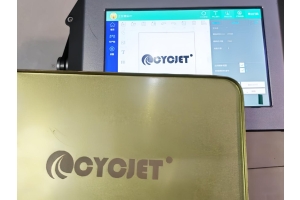
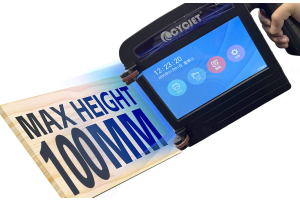
- Touchscreen control for simple message editing
- Stable industrial ink system for multiple materials
- Suitable for plastic, metal, glass, cartons, and bottles
With CYCJET handheld printers, businesses can easily perform date coding, batch coding, barcode printing, and logo marking across a wide range of applications.
Conclusion
Both portable inkjet printers and traditional coding machines have their place in industrial production. However, for companies that require flexible printing, lower investment, and multi-surface marking, a portable handheld inkjet printer is often the better solution.
If you are looking for the best handheld inkjet printer for industrial coding, CYCJET offers reliable portable printing solutions trusted by manufacturers around the world.
About CYCJET:
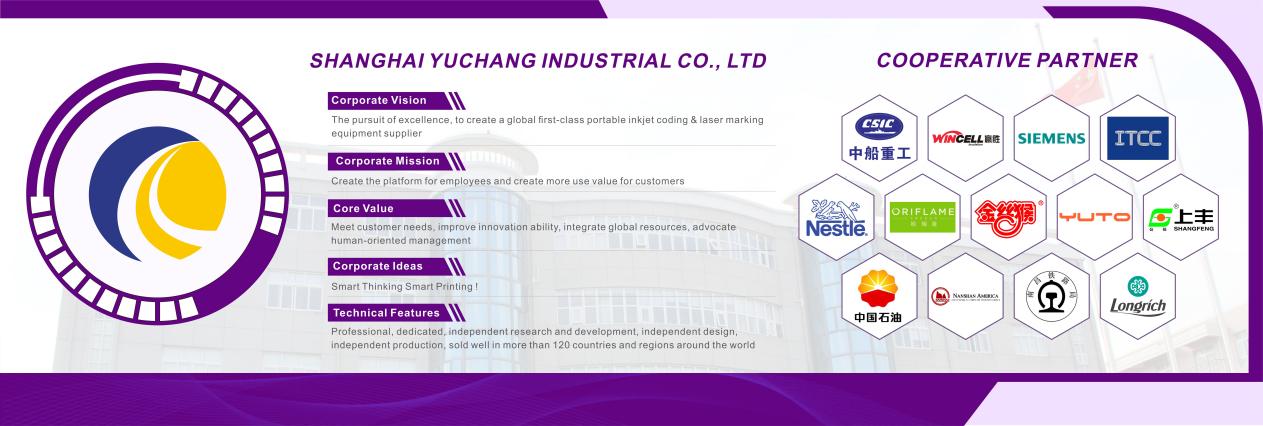
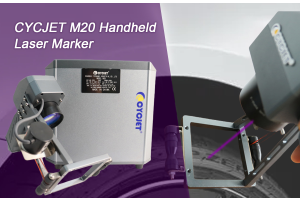
CYCJET is a professional manufacturer with over 20 years of R&D experience. We specialize in high-resolution inkjet printers, handheld inkjet printers, laser marking machines, and automated coding equipment. Headquartered in Shanghai, China, we provide high-resolution marking and coding solutions to the global manufacturing industry.
Contact Person: David Guo
Telephone: +86-21-59970419 ext 8008
MOB:+86-139 1763 1707
Email:[email protected]